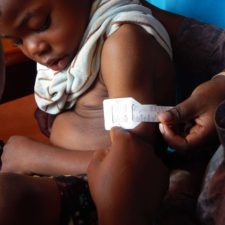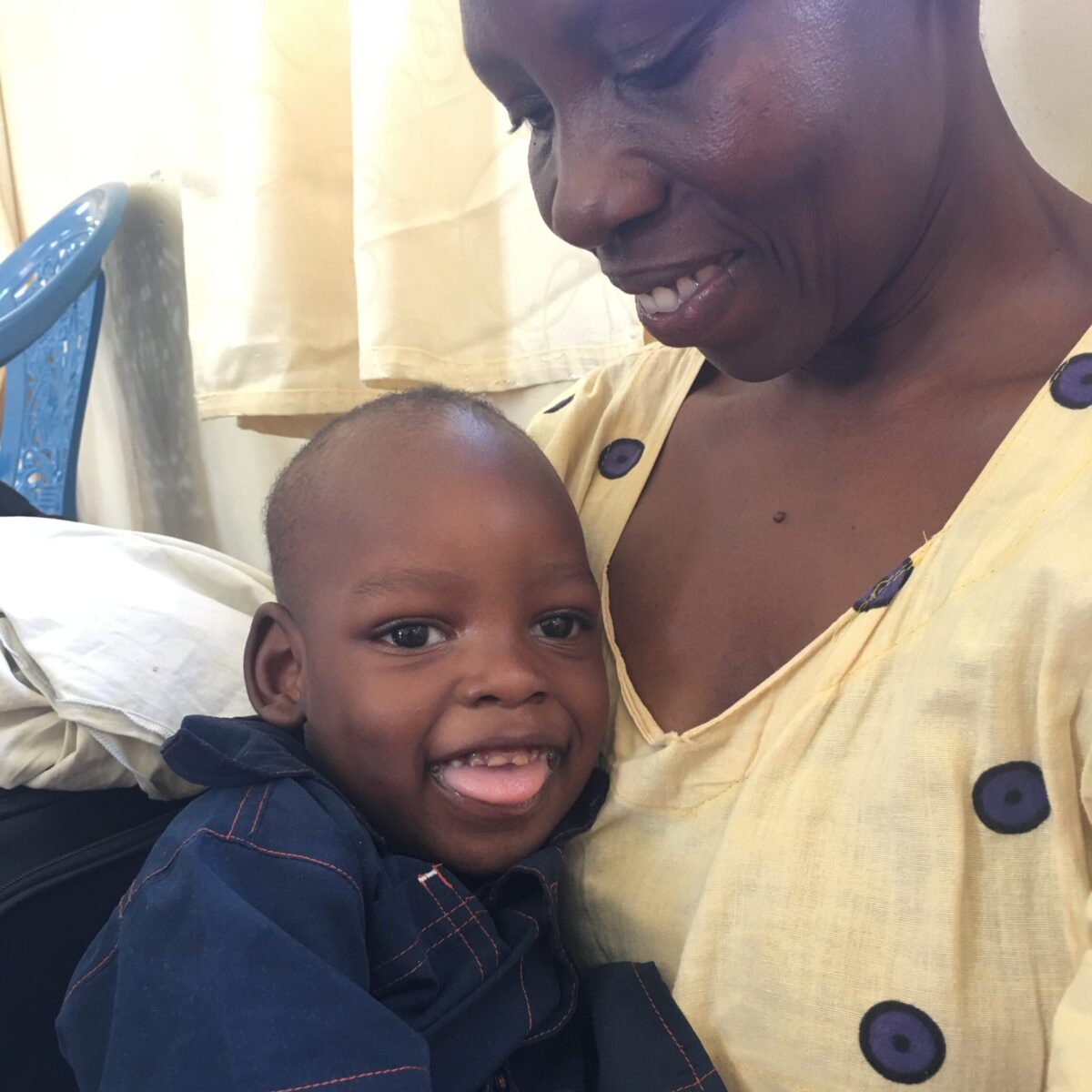
Children who have difficult beginnings, whether in an orphanage or in a home with inadequate care, often present with nutritional deficiencies for any of the following reasons:
Inadequate maternal prenatal and perinatal health care; poor prenatal diet.
Premature infant birth; low or very low birth weight resulting in underdeveloped infants.
Inadequate breastfeeding.
Animal milk or milk products offered instead of fortified infant formula.
Diluted or improperly prepared infant formula, which decreases the nutritional adequacy of the formula or introduces food safety risks.
Premature introduction of solid foods to the infant diet.
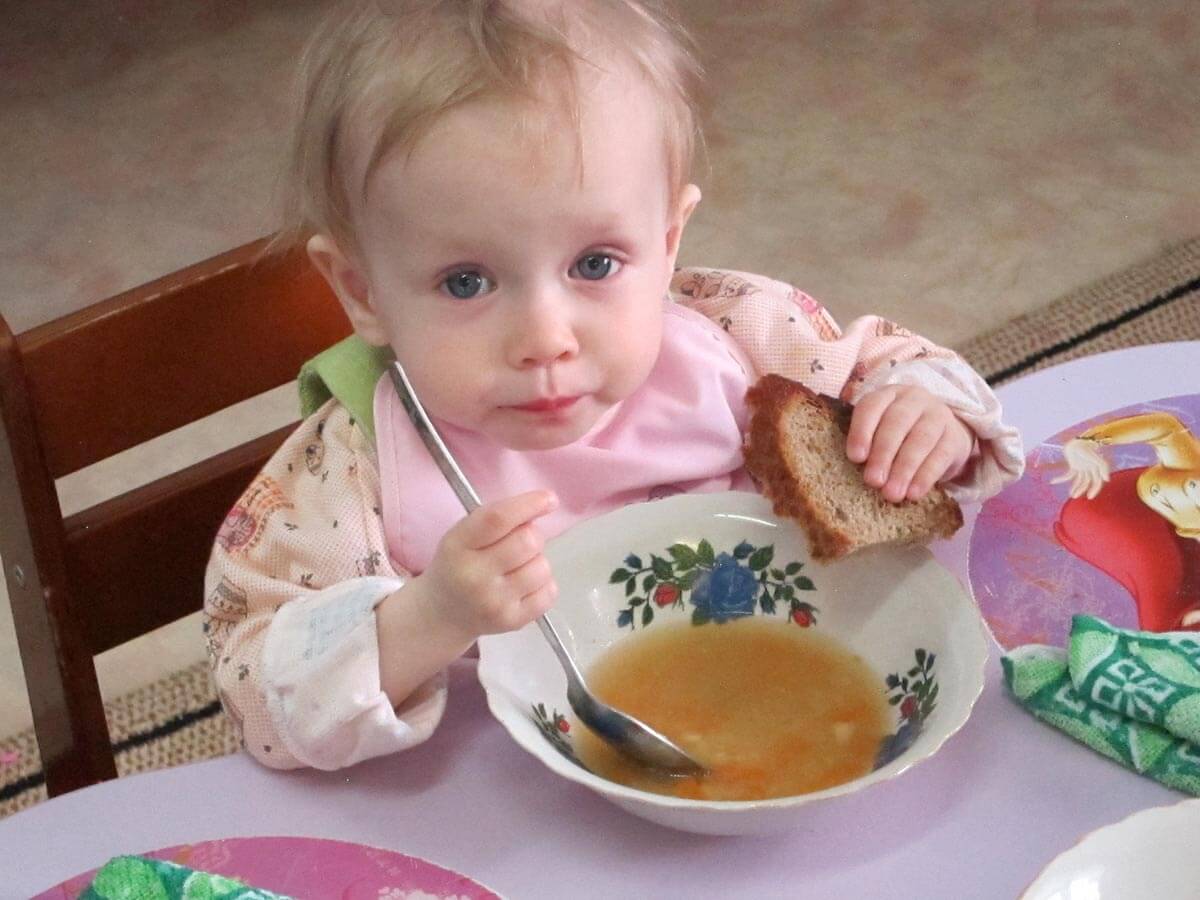
Insufficient amounts of food and/or lack of essential nutrient-dense foods.
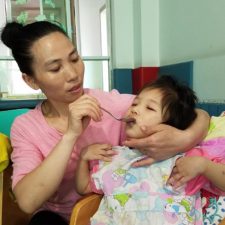
Insufficient feedings and/or inappropriate feeding practices in the orphanage, particularly for those children with special needs.
Inadequate exposure to sunlight, which inhibits vitamin D production — a crucial vitamin that facilitates calcium absorption for bone growth.
Cultural food practices introduced too early. For example, tea is often served with meals in many countries. Though tea has many health benefits, when consumed in large quantities as part of a nutrient-poor diet, naturally-occurring substances in tea may inhibit the absorption of important vitamins and minerals.
Lack of fortified foods, beverages, and vitamin supplements due to high cost or unavailability.
The stress of transitioning from birth mother to secondary care provider and then to the new family can disrupt a child’s natural feeding cycle, resulting in nutritional issues.
Rapid post-adoption growth places enormous demands on the young body’s limited nutritional stores, often resulting in nutrient deficiencies.
3227 NW Thurman Street, Portland, OR 97210 |
|
|