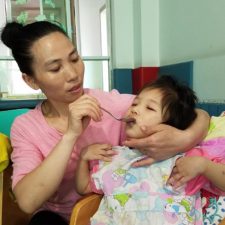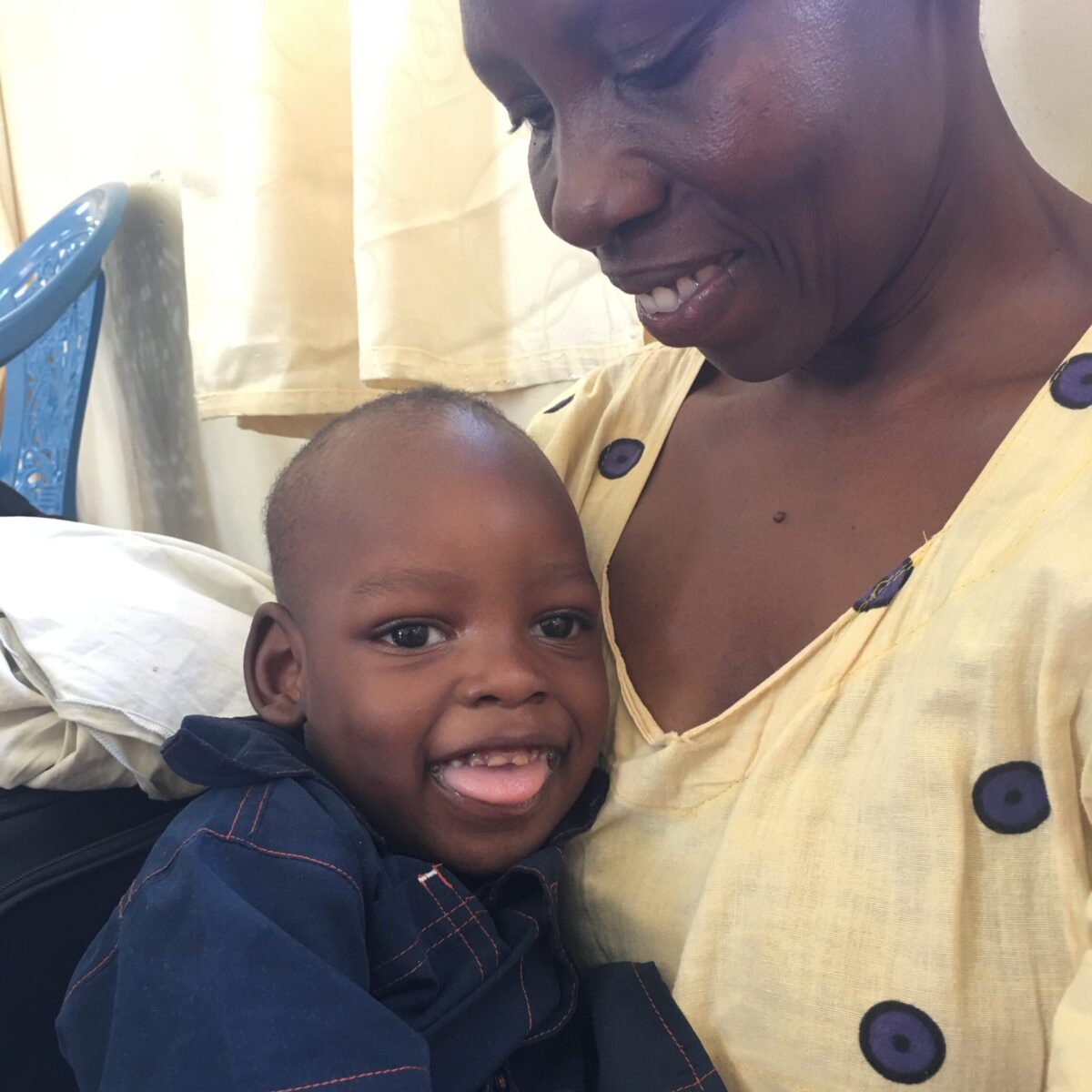
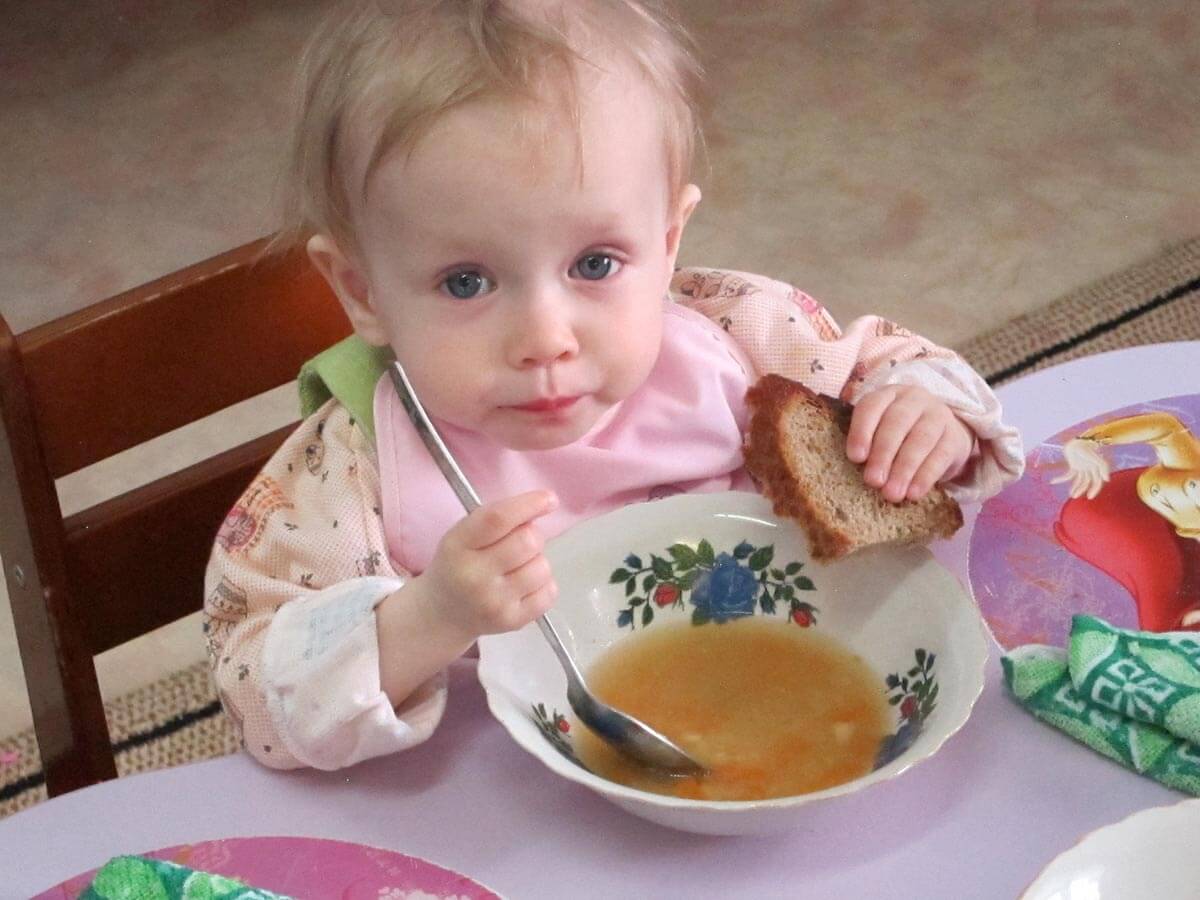
Recently conducted research* suggests that the following nutritional deficiencies and nutrition-related conditions often affect internationally adopted children, which may adversely impact their growth and brain development. It’s possible that other less-studied nutrients may also be deficient in these children.
Foster children are also at higher risk for nutrient deficiencies, including anemia and failure to thrive.
International adoptees and children from foster care share backgrounds of poverty and, hence, poor nutrition, so it’s reasonable to assume they share nutritional deficiencies as well.
Calcium Deficiency
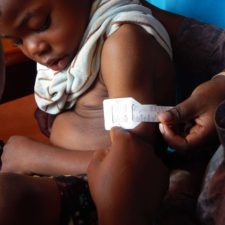
Protein Energy Malnutrition
Wasting
See Recommended Lab Tests for information on identifying these deficiencies in adopted children.
*Source: “Nutritional Status, Physical Growth and Neurodevelopment in a High-risk Population of Internationally Adopted Children” 01/01/2008 – 12/31/2010. Gerber Foundation.
3227 NW Thurman Street, Portland, OR 97210 |
|
|