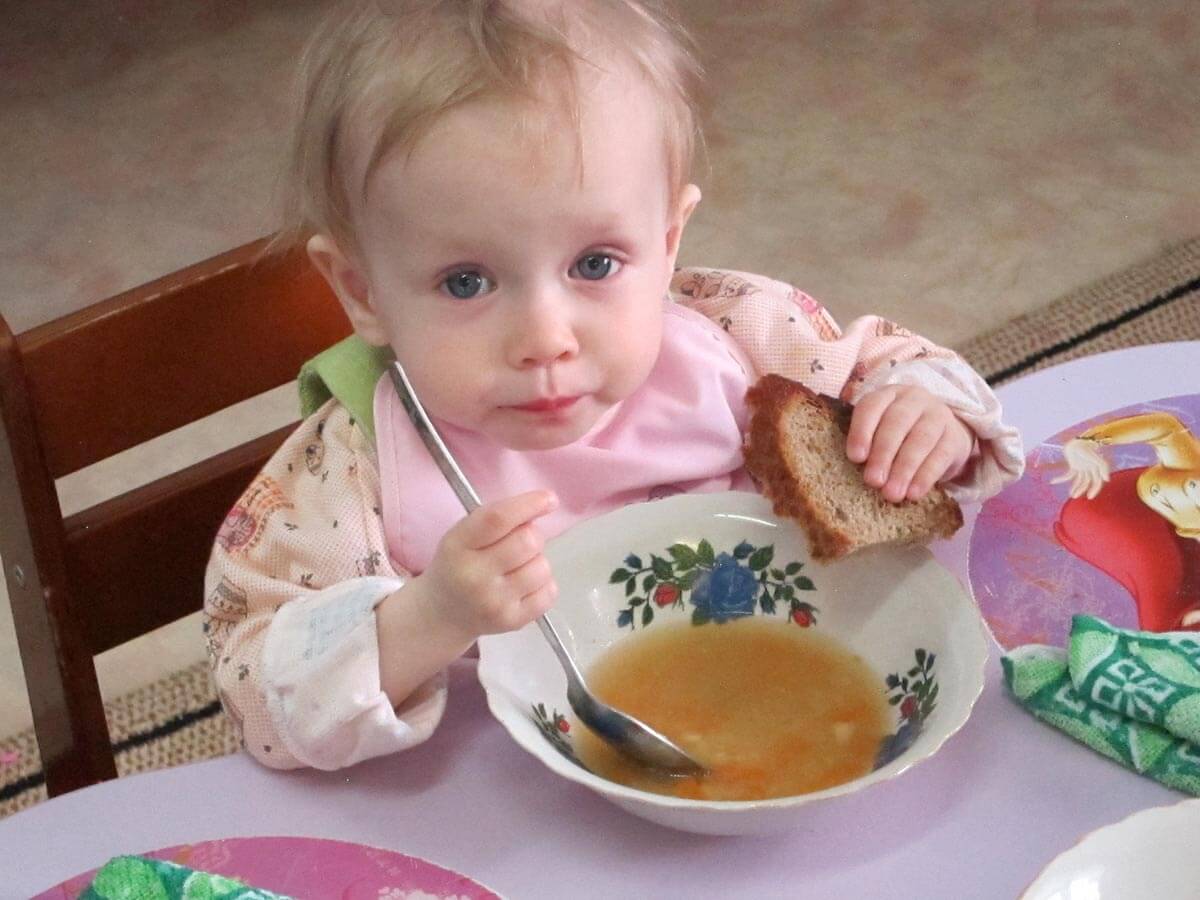
There are several explanations for food aversions in post-institutionalized and fostered children:
Following placement, they may experience a range of intense emotions like fear, anxiety, sadness, or grief, which can impact appetite.
A history of bad feeding experiences (force feeding, too rapid feeding, bottle propping) that creates negative physiological reactions and/or negative associations with eating.
Feelings of powerlessness. While living in a baby house or orphanage, they likely had little say over if they ate, what they ate, how much they ate, and who fed them. If living in a neglectful situation, they may have had little to no control over mealtimes.
Limited variety of meal plans in institutions or families living in poverty may make a child resistant to new foods.
Kids typically can’t verbalize why they act as they do around food. Instead, their food aversions will be expressed through behavior: Refusing to eat, avoiding certain foods, wanting to eat the same food over and over again, gagging, throwing up, or developing rituals around food (e.g., only eating from a certain yellow bowl or drinking apple juice from a juice box but not from a cup).
First, rule out motor, medical, and dental abnormalities that can contribute to poor eating such as decayed teeth, sore gums, reflux, cough, allergies, enlarged tonsils, digestive problems, and parasites.
Do NOT force your child to eat under any circumstances. Though pumping good nutrition into your child should be a top priority post-adoption, it should not come at the expense of reinforcing your child’s negative relationship with food. No matter how pressured you feel to get those critical nutrients into her growing body, remember that what she eats is less important than how she’ll feel about food for the rest of her life.
“Don’t force your child to eat everything in front of them. Also, give them lots of choices in small quantities.” -Bruce, dad to Aida adopted from Kazakhstan
A gradual approach to introducing textures and tastes allows kids space to process new foods, and is also the safest way to monitor possible allergic reactions.
Try adding a small amount of a new texture to a preferred texture (for example, dip a favorite crunchy chip into some soft hummus). If the small amount is accepted, add slightly more each time the preferred food is offered. The same can be done with new flavors.

It often takes as many as 10-15 introductions to a new food before a child will eat it.
The standard advice of 10-15 introductions to a new food may need to be multiplied for a child with a difficult beginning. It’s okay if the new food just sits on your child’s plate. This will give your child a chance to touch and smell the food. Helping with meal preparation will give your child further chances to explore new foods. Eating may come later.
Sit at the table together for family mealtimes as often as possible.
Kids are more likely to eat if they see others doing the same. That is especially true when they are fed in the presence of other kids who are eating, and is often how they acquire a liking for a new food.
Use “taste plates” or “no thank you plates.”
Try offering picky eaters a special “taste plate” next to their regular plate. Put the foods your child enjoys on her regular plate, and small amounts of new foods (like those others are eating at the table) on the “taste plate.”
Many families stay at hotels with their children while still in-country for adoption. If the hotel has a breakfast buffet, put several options on your child’s plate. But be sure to give her an out by placing a small, empty “no thank you” plate on the table so she can move non-desired items off her own plate. In this way, you can begin to gain a sense of your new child’s preferred foods.
Don’t put expectations on your child for actually tasting foods on the “taste plate.” Let her explore at her own pace.
Increase your child’s appetite.
Generally, kids are more likely to eat if they are hungry. Try these techniques to increase their appetite:
Encourage your child to be active before meal time – if possible, time outside in fresh air stimulates appetite.
Offer several smaller meals throughout the day rather than three larger meals.
Follow a routine for meal times and bedtime.
If your child tends to fill up on fluids, offer drinks at the middle or end of a meal.

Hold the praise.
Lots of praise for trying new foods or finishing a meal can actually backfire. If your child realizes how important his eating is to you, he may use it to gain the upper hand at mealtimes. A nonchalant attitude from you may actually work best.
3227 NW Thurman Street, Portland, OR 97210 |
|
|